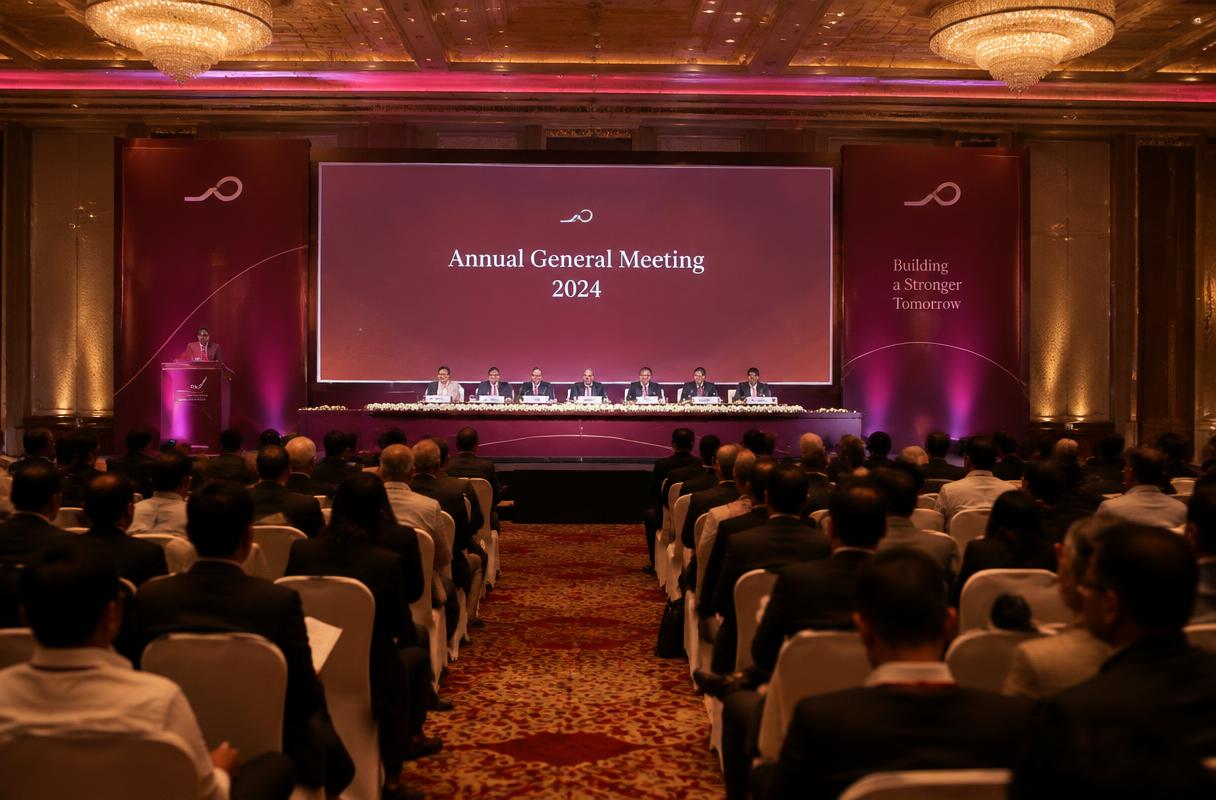
The short answer
Choose a annual general meetings company that has delivered events at your size and format, has its own team in the city you are going to, gives you an itemised quote you can read line by line, carries liability insurance, and names a single point of contact who stays with you from brief to final invoice. Ask for three references from programmes of a comparable size and actually call them.
Key takeaways
- Brief every agency against one written scope
- Insist on an itemised, tax-separated quote
- Confirm who is physically on the ground in your city
- Call three references at a comparable scale
- Check insurance, contingency and escalation in writing
What good actually looks like
Most agencies will tell you the same four things: experienced team, strong vendor network, end-to-end delivery, competitive pricing. None of that is checkable. What is checkable is whether they can describe how a programme like yours went wrong once and what they changed afterwards.
For annual general meetings in particular, the capability that matters most is on-ground depth in the city you have chosen. A partner who subcontracts everything locally can still deliver well, but you need to know that is the model before you sign, not on the load-in day.
Twelve questions to ask every agency
Send these in writing and ask for written answers. How an agency responds to a structured question list tells you a great deal about how it will run your event.
- How many events of this format and size did you deliver in the last twelve months?
- Who will be my day-to-day contact, and will that person be on site?
- Do you have your own team in this city, or will you subcontract locally?
- Can you provide an itemised quote with taxes shown separately?
- What exactly is excluded from this quote?
- What is your contingency plan for weather, power failure or a speaker dropping out?
- Which venues do you hold negotiated rates with, and can you show the comparison?
- What are your payment stages, and what is the cancellation ladder?
- How do you handle attendee data, privacy and duty of care?
- What insurance do you carry, and what does it cover?
- Who makes decisions on site if something goes wrong at 9pm?
- Can I speak to three clients who ran a comparable programme with you?
How to read a proposal
A proposal is a scope document that happens to have prices in it. Read the scope first and the number last, because two quotes that differ by 30% are usually describing two different events.
Lay the proposals side by side against your own written scope and mark what each one covers. The cheapest quote is frequently the one that quietly left out production, crew overtime or transfers.
- Is every element from your scope present and priced?
- Are taxes shown separately from the pre-tax cost?
- Are crew numbers and hours stated, or just 'on-site management'?
- Is the contingency plan written down, or described verbally?
- Are assumptions listed — headcount, dates, venue availability?
Red flags
None of these is automatically disqualifying, but each one needs an explanation you find convincing.
- A lump-sum quote with no line items
- No site visit offered and none proposed
- Everything subcontracted with no named on-site lead
- Vague cancellation and attrition terms
- Reluctance to provide references at your scale
- A price materially below everyone else's with no explanation of how
Checking capability properly
References are worth more than case studies, because you choose the questions. Ask the referee what went wrong rather than what went well — every event has something, and the useful signal is how the agency handled it.
If the programme is significant, ask to meet the person who would actually run it on site, not only the person selling it. Those are frequently different people, and the second one is the one who determines how your event feels.
Why companies choose MICE Events India
MICE Events India delivers annual general meetings across 80+ Indian cities with one accountable team, negotiated venue rates, in-house production and a 24x7 on-ground crew. You get an itemised proposal within 24 hours, a single point of contact from brief to final invoice, and taxes shown as separate lines so you can see exactly what you are comparing.
What to look for, side by side
| What to check | Weak sign | Strong sign |
|---|---|---|
| Quote format | One lump sum | Itemised, with taxes shown separately |
| On-ground team | 'We have partners there' | Named staff based in the city |
| Point of contact | Changes after signing | Same person from brief to invoice |
| References | Logos only | Three contactable clients at your size |
| Contingency | Described verbally | Written plan with named decision-maker |
| Insurance | Unclear | Policy and cover stated in the contract |
Next step
Planning annual general meetings?
Tell us your dates and group size and get a free, itemised proposal within 24 hours — venues, costs and a draft run of show.
Frequently asked questions
Allow 8–12 weeks for groups under 100 and 4–6 months for larger groups or peak-season dates (broadly October to March across most of India). Palace venues, resort buyouts and the big convention centres in cities like Delhi commit their best dates earliest.
Keep exploring
Plan annual general meetings in these cities
City pages with local venues, indicative costs and a sample programme.
More on annual general meetings
The rest of the annual general meetings series, written by the same team.
Buyer's guides for other formats
How to brief, compare and appoint the right event partner.
All buyer's guides